La Otra Mano

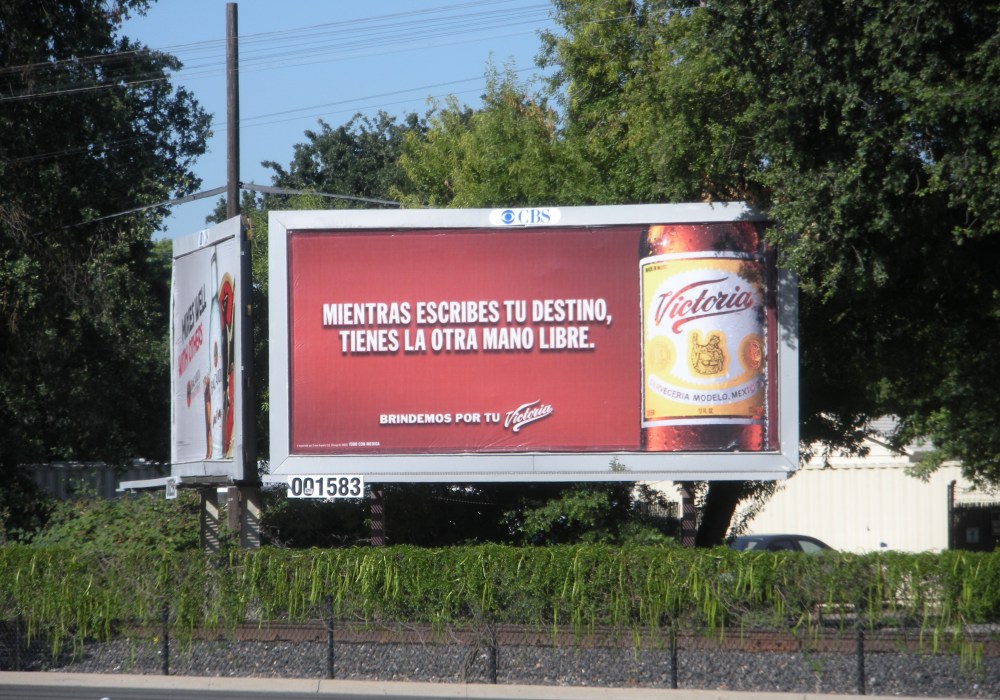
I came across this billboard beer advertisement a few weeks ago: “Mientras escribes tu destino, tienes la otra mano libre.” Loosely translated (very loosely) it means, “While you’re writing your destiny, you have another hand free.” (Forgetting, I suppose, that many people type these days and use both hands, but whatever.) I don’t think it’s encouraging writers to become alcoholics, but I had to admit I thought of Ernest Hemingway, and I think he would’ve chuckled. (Did Hemingway chuckle? Or did he brood? Or something else entirely? I can’t imagine him sprinting through fields of daisies with his arms thrown out in glee, but I don’t know enough about him to guess about chuckling.)

But the billboard has made me think a little. One’s brain is not always focused on writing. It does other things. And what if you’re waiting for feedback on a manuscript from brilliant writer friends? Do you start a new manuscript? Or do you let your brain revel in those other things? Or do you just drink yourself into a stupor? That last one isn’t such an option while pregnant, so I’m reading, playing with Z, and thinking about what I might write next.

Besides, it’s too cold for beer anyway. I’ll save it for May, after the baby comes.
The Germ Factory

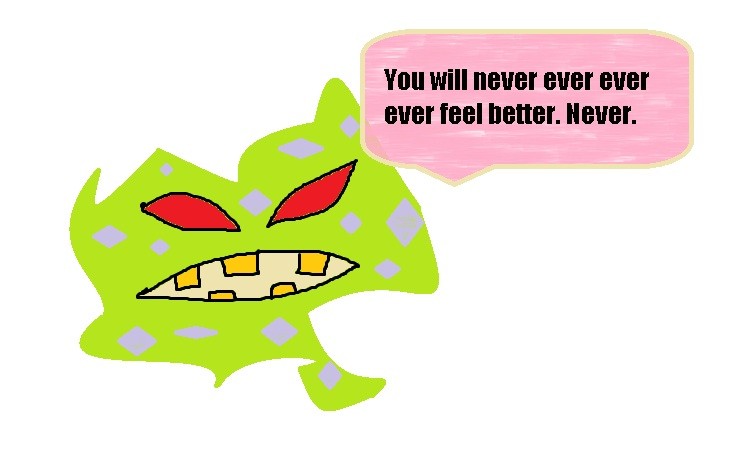
There was one glorious day – Monday – when my nose wasn’t runny and itchy, and my throat wasn’t sore, and my head didn’t ache. Then came along late Monday night, and the whole cold has begun again.

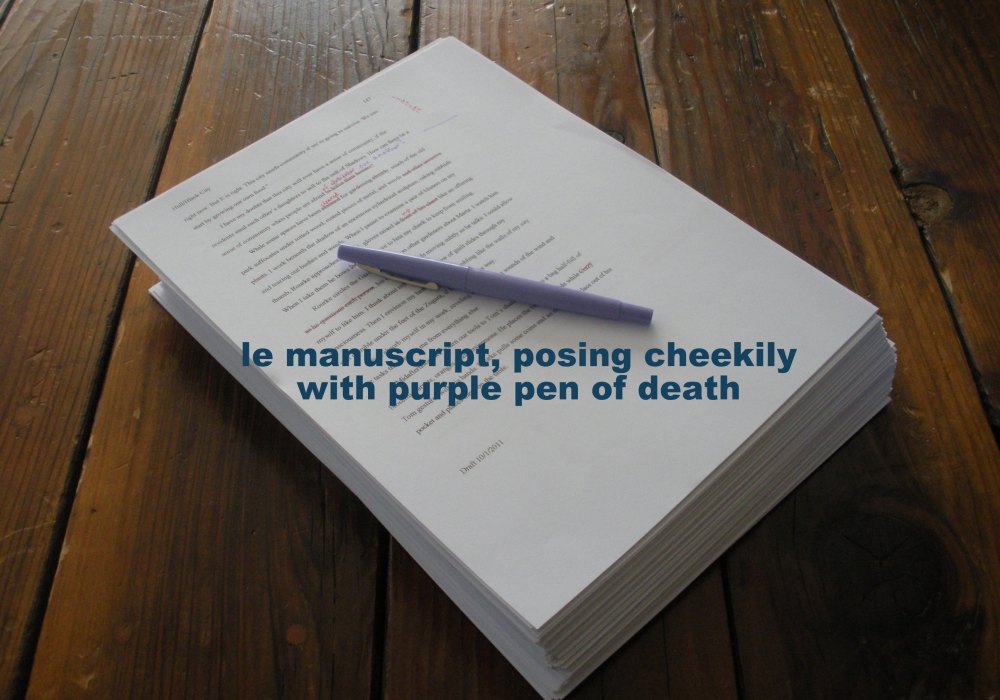
On the bright side, I got tons of work done on le manuscript yesterday, so today I am totally, completely justified in doing nothing but watch the BBC’s Pride and Prejudice. This is best done over one long stretch, you know, block out five hours without interruption. But I did a few other things (no chores, don’t worry), like check email, look up recipes for vegetables in the CSA box that I’ve never even heard of before, play a round or two of solitaire (not twenty – I’m finally getting tired of it), tinker with the synopsis and pitch for le manuscript…then I came back to the television, ready to watch Mr. Darcy get rejected by Elizabeth Bennet.

Husband called and I answered the phone with, “Mr. Darcy is about to propose. Can’t talk now.” I could hear him roll his eyes.

But really, it’s like a pilgrimmage into a comforting, familiar world. When I’m sick with my second cold in two weeks, at least give me that.

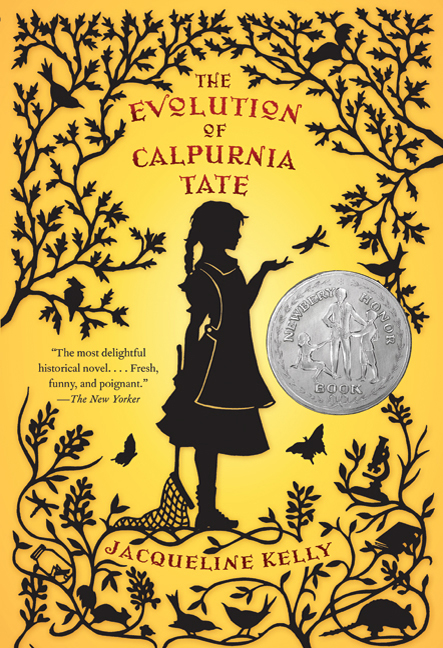
The Evolution of Calpurnia Tate by Jacqueline Kelly

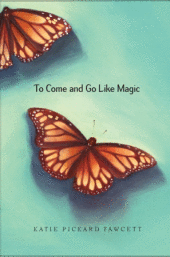
This book was recommended by Katherine Longshore over at the YA Muses, and there wasn’t a single thing about it I didn’t enjoy. I’m not usually drawn to middle grade novels, which is surprising, because I’ve loved many (Ida B. by Katherine Hannigan is still one of my favorites, along with To Come and Go Like Magic by Katie Pickard Fawcett).

The set-up: Texas, 1899. Calpurnia is eleven years old, has six brothers, her parents, and a gruff grandfather. She lives on a farm/pecan orchard and dodges the chores usually reserved for females. Instead, she’d rather explore. Early on in the book she befriends her grandfather and together they gallivant around the property studying and documenting the natural world.

Main characters’ goals: More than anything, Calpurnia wants to learn about and study nature. This is made difficult by her mother’s increasing pressure for her to learn “womanly” skills such as embroidery, cooking…and whatever else it is women are supposed to do (I don’t actually know because, like Calpurnia, I worked hard to avoid those things). She yearns to go to college so she can continue studying.

My reaction: When her grandfather listed off famous women scientists, I wanted to cry tears of happiness for Calpurnia, because suddenly her dream seemed possible to her, and it was glorious.

Of interest to writers: I know it’s done more in so-called “literary” fiction, but Calpurnia’s struggle is more internal than external. This is hard to do while keeping tension in the story,  but Jacqueline Kelly does it fabulously. Another curiosity is the plot doesn’t seem driven by the conflict. Rather, we experience a year with Calpurnia, and each chapter feeds into the central conflict. But it isn’t that “goal-scene-sequel-new goal” sequence I’ve gotten so used to. The structure is, quite honestly, refreshing.

Bottom line: You want to read this book. You totally do.

Reminds me of: To Come and Go Like Magic by Katie Pickard Fawcett (another book you totally want to read)

Random Bits

No energy – sick with a cold. So let’s do a Friday Five.

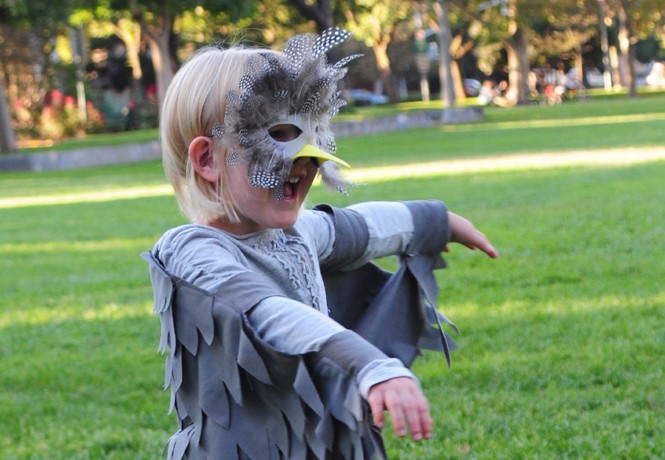
  1. Z’s Great Grey Owl costume turned out really well! Husband did the feathers for the mask, I did hours of sewing for the cape o’ feathers, and she absolutely loved it. I absolutely loved sneaking chocolate from her Halloween bag. Will post a how-to-make-an-owl-costume some other time.
  2. I’ve got a Fabulous Support Network re-reading le manuscript, but already I’ve found Flaws In The Middle. I really shouldn’t read books on craft when I’m trying to finish a project. One of the chapters in Donald Maass’s The Fire in Fiction covers what he calls the “saggy middle.” No, he better not be talking about my tummy. The problem with middle scenes is that the main character tends to go through the story, and these middle scenes, especially, without a clear goal or inner or outer turning points. Now angry at the world and frantically revising.
  3. I need a really good book to read. Fiction, nonfiction, YA, adult – doesn’t matter. But I need something to suck me in, and fiction usually does the job better than non, for me. Preferably something short. Recommendations?
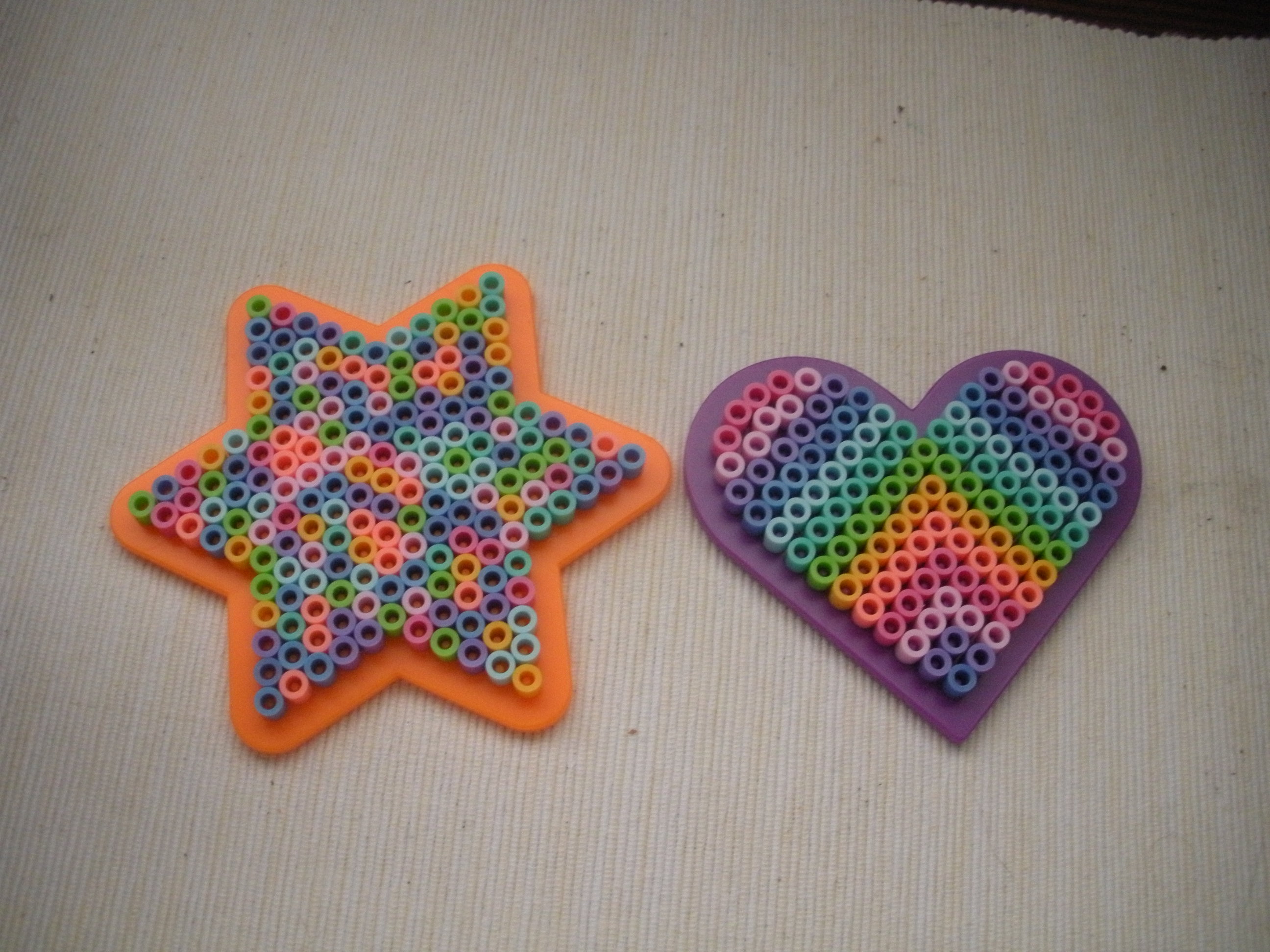
  4. Have I mentioned I’m sick? Murphy’s Law must govern preschool schedules, because the week I get sick is the week Z has two days off of school. So now I’ve got to keep her busy all day long. We’ve been doing special art projects. We made a paper chain for Thanksgiving, and I got her a bunch of fall-themed foam stickers so she’s making more Thanksgiving decorations. Also, at her school they give them those perler beads that the child puts on a plastic peg board, and then the theory is that the adult will unearth her iron and iron the plastic beads so they stick together to make a fun, bright shape for everyone to enjoy.
  5. Finally, on the subject of school. Z really wants to go for the full day. She’s been going for half-days, so we promised to talk to her teacher about it at the parent-teacher conference, which was today. Her teacher recommended starting on Monday! As in, three days from now. I’d thought there would be hemming and hawing, and we’d start her full-time maybe in January, giving us all a lot of time to get used to the idea. But Z wants to go now, and her teacher sees no reason not to. Plus in the coming weeks there will be lots of breaks for the holidays, and supposedly this will make the transition easier. Part of me is overjoyed at the prospect of so much time to myself before the baby comes, and a part of me is weeping, “She’s growing up so fast!” But that second part is mostly quiet, especially when I have a headache and a cold and all I want to do is take a nap that lasts until March.

That’s all! Happy Friday!

Writerly Rambles (Obsession Styles of the Poor & Obscure)

Now that I’ve tightened le manuscript (as in, deleted roughly 5,000 words simply from eliminating needless dialogue tags and instances where one character “looks,” “glances,” or “sees” another), and I’ve read it over and don’t know what the heck else to do with it, I’ve got to get another pair of eyes on it…again.

For some reason I’m finding this harder the second time around.

So I’m reading it again. Taking out more words. And worrying about the following things:

  • Will anyone actually like this main character?
  • How’s the pacing? I’m bored in places, but I’ve read them dozens of times, so is it just me, or my lackluster plot?
  • Does my main character have enough interiority? (for some excellent posts on this, go to Katherine Longshore’s post at the YA Muses, and Mary Kole’s on Kidlit)
  • Is the leading dude enough of a heart-throb?
  • Does the “woe is me I’m so hopeless about everything” section drag on too long?
  • Am I ever going to convince certain members of my critique group that dropping the prologue is in the story’s best interest?
  • Will anyone who read it the first time like the changes I made? Or will they grumpily say, “Why didn’t you change X? Why did you change Y? Why did I bother giving you advice last time when you followed it in such a shoddy way?”
  • Is this story anything anyone will ever want to read?
  • Maybe I should go tinker with software to make a book trailer, even though I don’t have a book yet.
  • Is it time for me to just get a job already? Possibly creating book trailers for the successful writers out there?