
The Sky is Everywhere by Jandy Nelson
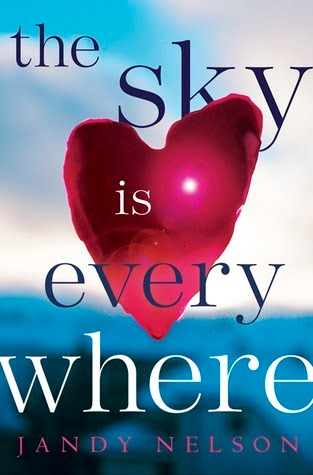 Why, oh why did the Internet eat my book review?
I shall have to start again, but I warn you, I’m not quite as excited to do this a second time.
The set-up: Lennie’s used to following her older sister, Bailey, around. Bailey has all the experiences with boys and doesn’t seem afraid to live. Then Bailey dies, and Lennie doesn’t know where she fits in the world anymore.
Main character’s goal: The goal changes, but without giving too much away I can say that at one point Lennie’s goal is to ignore one boy – the boy who lets her feel her grief for her sister’s death without getting swallowed up by it, and pursue the second boy – the one who is all light and happiness and helps her feel that she’s moving on from Bailey’s death.
My reaction: I thought the love triangle was done exceptionally well, and the characters were incredible, larger-than-life people. Even Bailey, who died before the story begins, is full and flawed and fabulous. The writing itself was lyrical, and I wondered how much of it was the author trying to be artistic and how much was truly Lennie’s voice. However, that was my writerly self wondering, and my readerly self kept saying, “Shut up and just enjoy the prose, you know you like it.”
Of interest to writers: The poems throughout – poems Lennie scribbles on whatever available writing surface there is, and are described as found in various places, like under a rock, or in the margins of Wuthering Heights, well, I enjoyed them and all, but then when I got to the end and ***mild spoiler alert here*** they actually had a purpose in the story line (even if it was a small purpose), I was impressed.
Bottom line: Read it for the beauty of the language, or the deliciousness of Lennie’s conflict, or the roundness of the characters…but just read it.
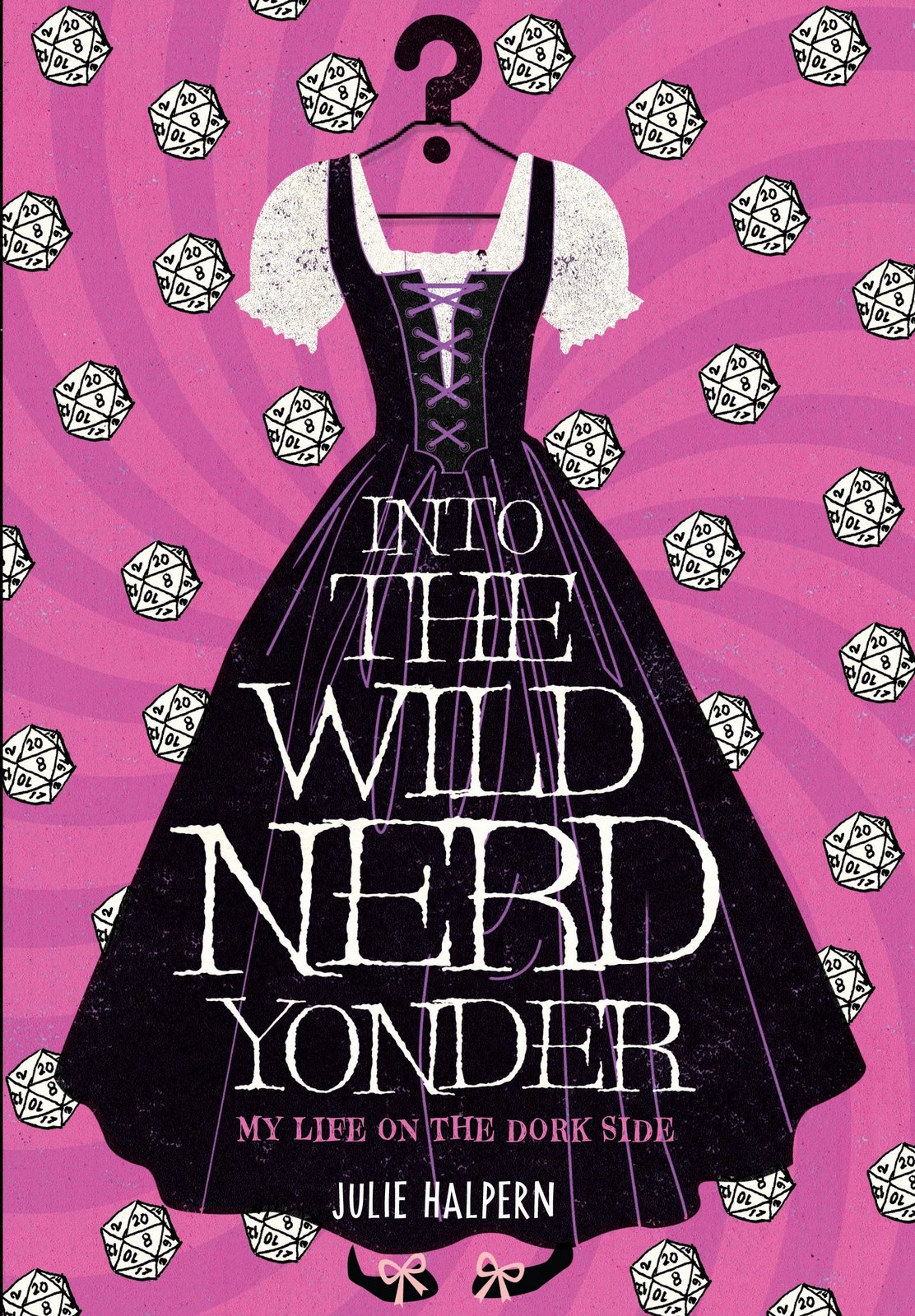 Reminds me of: Into the Wild Nerd Yonder by Julie Halpern.

 Beth Hull