NiFtY Author Talia Vance

Today we have a special guest – debut author Talia Vance. Not only is she a prolific writer (two books coming out within the year, AND one more under contract!), but I also count her as a friend.

BH: Welcome, Talia! You have not one, but TWO books coming out between now and next spring. Can you tell us a little about them?

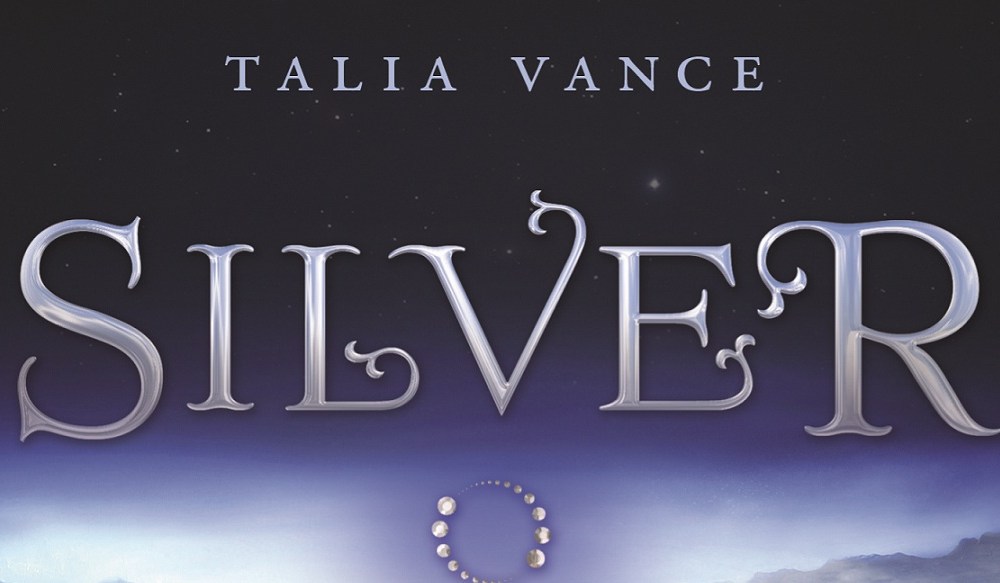
TV: SILVER is a dark romance based on Celtic mythology.  Brianna Paxton accidentally binds her soul to the one guy it might kill her to love. SPIES & PREJUDICE is about a teenage private investigator, Berry Fields, who sets out to discover the truth behind her mother’s death and ends up questioning everything she thinks she knows about love and the one boy she is determined to hate.

BH: What were some of the joys of writing Silver?
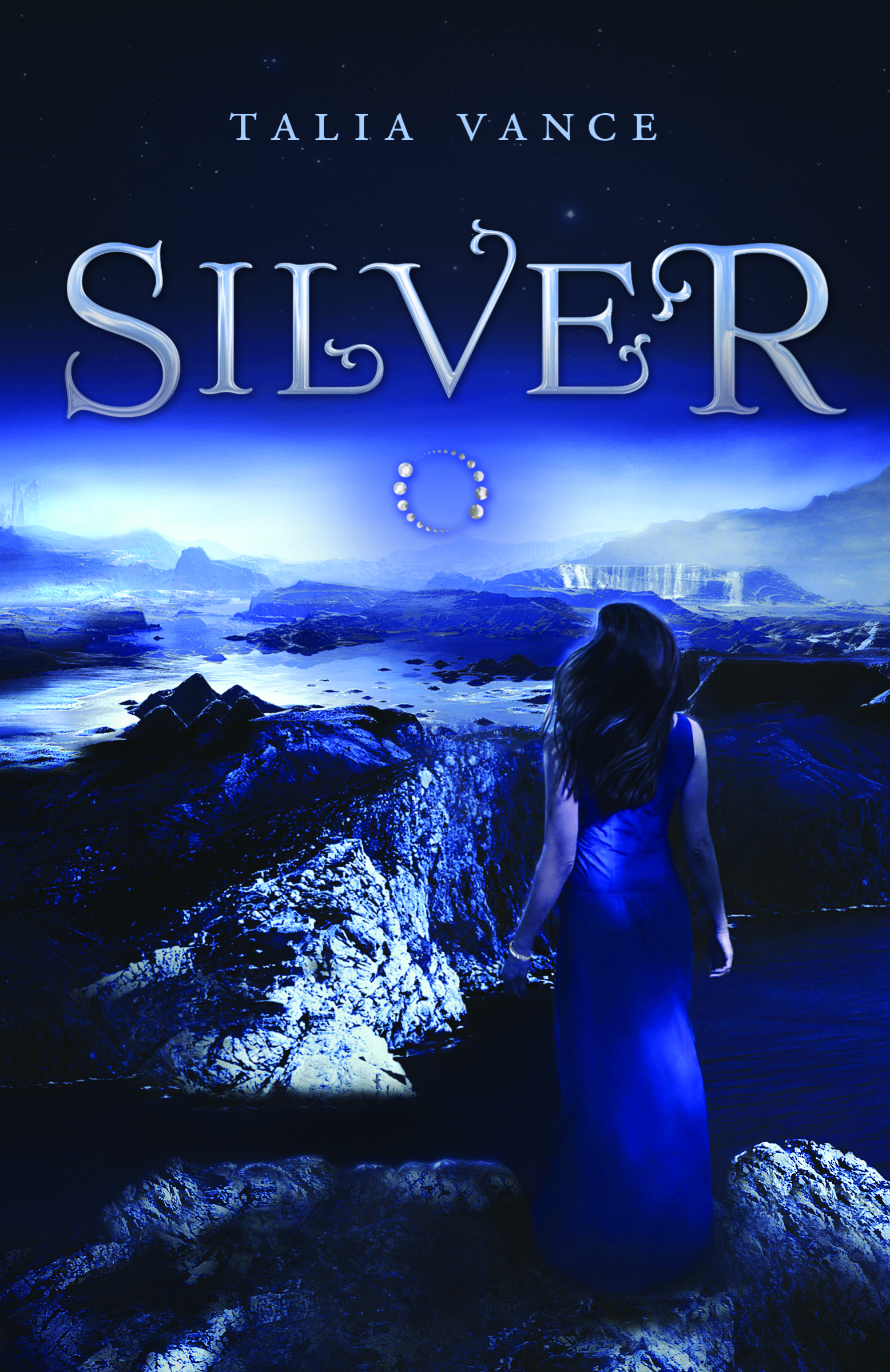
TV: I loved discovering the characters’ secrets as I wrote (and there were some big ones), I loved those moments when they said the exact right line of dialogue, and I especially loved that I finished a book.

BH: We all have favorite minor characters in our own books, those characters we wish could have more page time. Who’s your favorite minor character in Silver?

TV: I am going to cheat here, because there are two characters I wanted to give more time to:  Joe is the conscience of the story, a voice of reason among chaos.  His past is full of violence and loss, but he’s always so calm and stoic.  I know what’s made him the way he is, but I often wonder what it would take to make him break. Someday he may get his own book, just so I can find out.

Portia barely makes an appearance in SILVER, but she definitely has her own story.  In early drafts, she began to take over the second half of the book, and I had to cut out her entire story from the final version.  All that background wasn’t for nothing, however.  She gets quite a bit more page time in GOLD. [note for the audience – GOLD is Book 2.]

BH: Switching from fantasy to contemporary is something I’m doing now with my own work-in-progress. Were there any challenges involved with your switch, and how did you overcome them?

TV:  The biggest challenge was switching from Brianna’s voice, which is more introspective and emotional, to Berry’s voice, which is more brash and confident.  Both stories take place in contemporary Southern California, but their worlds and challenges are very different.  One thing that helped me make the switch was having a separate playlist of songs that fit the mood and tone of each book.  I listen to the playlist while I’m writing and revising, and it helps puts me in the “head” of the character and the story.

BH: What does your workspace look like?

TV: I work on a couch with a laptop.  This picture is a pretty accurate depiction of how I write, complete with the lapdog lying across my legs.

BH: What is your favorite book on the craft of writing?

TV:  I am a fan of James Scott Bell’s Plot and Structure.  Plotting is something that I tend to do organically.  Which usually means I have to figure out the structure and plan the plot in revisions.  Plot and Structure is a great book for reminding me what a story should look like in its purest form.

BH: What is the best writing advice anyone has given you?

TV:  Put everything you have on the page.  Don’t save your best stuff for another book.  Put it in this one.  You’ll come up with new stuff later.  Make this book count.

BH: Talia, thanks so much for sharing about your books and writing! I can’t wait to hold the published copies of Silver and Spies & Prejudice in my hands!

For more on Talia, including some brilliant blog posts on writing, you can visit her at the YA Muses blog by clicking here.

How to Give Good Critique

A friend and critique partner of mine (and she knows who she is, so this isn’t a series  of hints for other crit partners!) gave me some feedback on my story a few months ago. I was quiet for a bit, because while she had some great ideas for my story, some of them came off a bit harsh. We talked about it, and she asked me for some advice, because she’d had trouble with hurting crit partners’ feelings in the past. I went through her critique line by line, and came up with a list of suggestions. She told me they were helpful, and gave me permission to share them here.

Have a sandwich

Place negative/constructive criticism in between positive criticism. What I heard about “the sandwich method” is that it helps a critique-receiver feel relaxed at the beginning, instead of under attack. And then, after all the negative criticism, the writer’s ego is reassured with more positive. [NB: Be sincere and specific, otherwise the positive criticism will sound like token positive criticism, and we’re all smart enough to see that for what it is: BS. Being positive can sometimes take a little digging.]

Embrace brevity

State your point, and move on. When something’s repeated it can make the writer doubt the critic’s belief in her intelligence. Also when something’s repeated, it can sound angry.

Embrace neutrality

I try (but don’t always succeed) in making the critique more about characters and story and less about what the writer is or isn’t doing. Homes told me that in scientific manuscript critiques, they’re supposed to say, “This doesn’t work because…” When in doubt, I pretend I’m a scientist.

Be positive

Saying something like, “Your main character makes me want to shoot myself in the bleeping head” only makes a person feel crappy. It’s best to phrase things in the positive, or phrase them as questions, like, “If Amalia instead first learned how to defend herself, she’d be a lot more sympathetic to the reader,” or “What if Amalia were to learn self-defense? Do you think it would make her less passive, yet still feisty and a person we’d cheer for?”

Be positive II

I leave out the doom and gloom messages – and the long introduction. Every time the writer hears, “You’re going to hate me for saying this,” or “this might be hard to hear,” or other statements of that ilk, it makes her worry more. The longer the introduction and disclaimers go on, the more impatient and defensive she could get.

On taking the wheel

It’s okay for some critique partners to write out short bits of dialogue or sentences for each other. I actually enjoy it. It’s good to check, though, because not everyone will be okay with someone else putting words in their characters’ mouths.

On suggestions

I’ve heard different things about suggestions. Some people say that a good critique partner only points out where something is off, and allows the writer to come up with her own fixes. Personally, I enjoy suggestions, but you may want to make sure they don’t sound like orders.

On nitpicking

I generally don’t correct punctuation/grammar/typos unless the piece is, according to the author, ready for submission. On earlier drafts, if I catch something & it’s easy to fix, sometimes I do. If I see a recurring grammatical error, I will usually call the writer’s attention to it. But little nitpicks seem like a waste of time if the story might change dramatically – entire sentences, paragraphs, pages, and chapters can be replaced or deleted, and then I’ve spent time correcting punctuation on segments that are no longer even in the story! Some people, however, cannot resist editing for grammar etc. To each her own.

*

I’m looking at these tips as a list-in-progress, so please, chime in below if you have a tip I haven’t thought of, or if you think something in my list should be adjusted/clarified.

Also, while it’s super-important to “give good critique,” it’s equally important to be a good critique receiver. Maybe I’ll write about that later, so if you have an idea you want to share, let me know and I’ll give you credit in the post.

Recommended reading: The Writing & Critique Group Survival Guide by Becky Levine.

ETA 4/10/12: Author and former literary agent Nathan Bransford just published this post on the Ten Commandments for Editing Someone’s Work. Good suggestions, all.

Why I Write

Friend and critique partner Jo Hart wrote a post on the Top 5 Reasons Why I Write, and it got me thinking about my own reasons.

1. I’m in love with words. Any language. Ever read a story, poem, or novel, and just hug the book to yourself afterward? And think, “Wow, I can only think ‘wow'”? And sometimes, finding the exact right word for what you mean feels like an adrenaline high? And Word-of-the-Day calendars are great & all, but they only give you 365 words, and that’s not quite enough?

2. Writing feels good. If I can string words together in what I think is a pleasing way, I read them over and over and feel really good. Sometimes it doesn’t even have to be a string of words (see above) – it can be one, e.g. “epiphany.”

epiphany.

(Yup, brilliant. Feels good, doesn’t it?)

3. I can’t not write. I’ve always written things down. The only times I’ve imagined a world in which I don’t write are times when I’ve been severely depressed. Which is, you know, not fun for anyone.

4. It’s cathartic. Depressed, bitchy, manic – it all goes into the diary at some point; it all goes into the stories.

5. I’m self-absorbed. If ever fiction fails me, I can fill up diary books (and, sorry, yes, blog posts) all about ME.

6. Sometimes I get an idea or have a dream that I have to write down (e.g. girls sneak out of beautiful city to explore ravaged city full of scary creatures)

7. I’m too in love with office supplies to stop. Notebooks, diaries, pens, markers, dry erase boards, index cards…writing is a great excuse to buy these things.

So, how about you?

8 Ways to Handle Rejection

I’m going to write a bad word. Mom, stop reading.

If you’re a writer, rejection is like shit. It happens, and it always stinks. The variable is what we choose to do with that rejection. I’ve found the options are endless, and some are more constructive than others.*

[*Once again, I realize I am not the most-equipped person to hand out writing advice. However, now that I’m querying agents with my third novel, I feel moderately equipped to hand out this advice on rejection.]

1. Weep. Best done in a private setting, but I won’t judge you here.

2. Trash talk. This is also best done in a private setting, like a TOP SECRET HUSH HUSH Facebook group or something along those lines. I’ve also found that my cat is very trustworthy and never repeats a thing I say.

3. Every agent and editor says something along the lines of “this is a subjective business, and I’m sure someone else will feel differently about your horrible story.” Test that theory, I say, and query again! One writer told me that for every rejection she received, she sent out two more queries.

4. Comfort yourself in the bosoms of addictive substances, such as alcohol, chocolate, or computer solitaire.

5. Do textual analysis on the rejections. Compare them to one another, or compare multiple rejections from the same agent (for different – or drastically revised – books, I hope). I find myself obsessing over word choice and placement like I haven’t done since the first “Will you go out with me” note I received in seventh grade. (My response was yes in 4th period and then, by 6th period, no. I pray agents and editors will be kinder and less fickle than I once was.)

6a. If the agent or editor gives you feedback, thank them. And then consider their suggestions. Seriously.

6b. If the agent or editor compliments your work, take it and RUN with it. Quote it on your bathroom mirror in red lipstick. Copy and paste it into a Self-Esteem Booster document that you keep in your writing files.

7. Trust your friends and family. If they say you’re fabulous, believe them. If they offer words of comfort, accept that comfort. It’s difficult to hear NO from agents and editors, so be kind to yourself by accepting compliments and praise from everyone else.

8. Best piece of advice I’ve ever heard on rejection and querying is to immerse yourself in a new project immediately. It’ll keep you from obsessing quite so much over the project you’re querying/submitting. And will hopefully keep you from Twitter-stalking agents and editors (confession: I tried this for a couple weeks. Biggest. Waste. Of. Time).

On the bright side, it’s not (or won’t always be) all about rejection. Not for me, not for you, not for anyone. There are positives in it, too. And even if you’re getting rejection after rejection after rejection, keep plugging away at the next project. Find your passion there, not in your email inbox.

Does anyone else have ideas and tips on how to handle rejection? What works, what doesn’t?

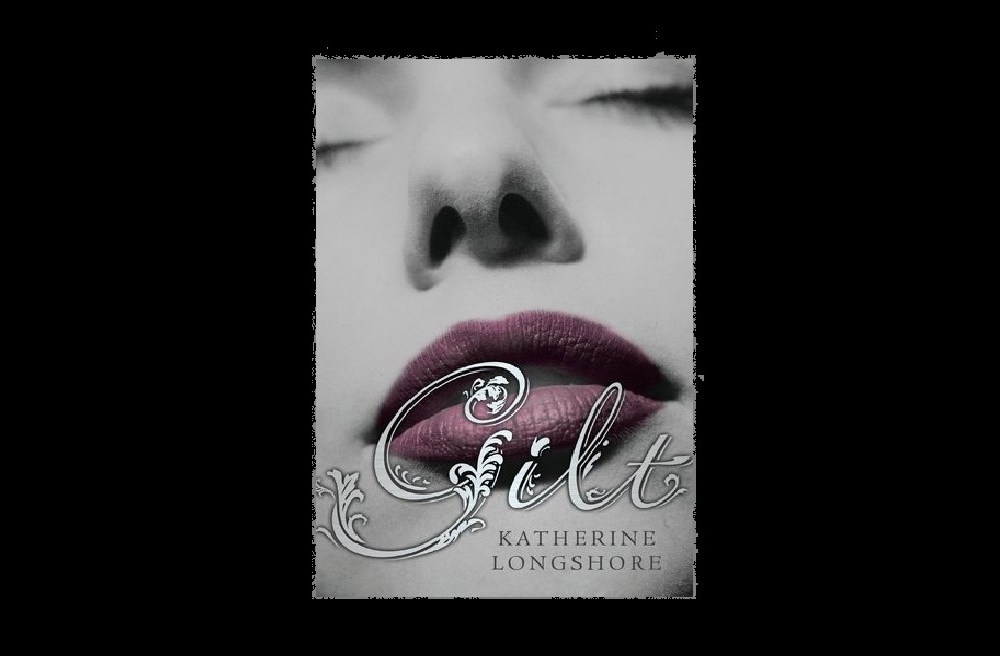
Gilt by Katherine Longshore

First, disclaimer: Katherine and I are friends in real life. Second: even if I weren’t friends with her, I’d be reviewing this book anyway because it totally rocks. Like, stay-up-way-past-bedtime-reading rocks. And I’m not usually drawn to historical fiction.

The set-up: The year is 1539. Kitty Tylney and Catherine (Cat) Howard are best friends…or as close as best friends can be when one is kind of a jerk, like Cat.

Main character’s goals: At first, Kitty just wants to go to Court, and wear fine clothes and be somebody. But then her goals change, and I don’t want to risk spoilers, so I’ll just say maybe these new goals have to do with a dude, and maybe the new goals have to do with Cat’s marriage to the king, and maybe both. Or, you know, neither.

My reaction: The writing is so pretty! When the book comes out and I read it again (because I’ll have my own sparkly copy with its beautiful cover…probably signed by the author, hint, hint) I’m going to do a better job of savoring the beautiful prose. On the first read, savoring was nearly impossible because I just wanted to freaking find out what happened already. It was tense, and dangerous, and sexy, and just all around marvy. If I could write historical fiction (as in, stomach the research involved), I’d want this to be my book. As it is, Katherine enjoys research (see her interview here) so she gets to do it for me.

A second reaction: sometimes in historical fiction, I don’t feel entirely “there” in the setting. But in Gilt, I was there, and I was loving it.

Of interest to writers: When Katherine wrote this book, historical YA was not a big thing at all. In fact, many agents weren’t even interested in it. I keep coming back to the advice she gave in her interview: “Don’t second-guess whether or not your concept will sell.  If a story and character come to you, write them down.  That passion will come through in your writing…Passion sells.  And in the long run, writing what you love is the ultimate reward.”

Bottom line: Beautiful story, believable and compelling characters – it’s a total win. I’m just sorry you have to wait until the May 15th release date to read it!

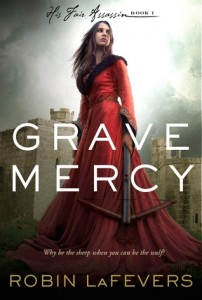
Reminds me of: Grave Mercy by Robin LaFevers (Gilt takes place a century later, but life-and-death court intrigue is still a focal point).

For more on Gilt and Katherine Longshore, you can visit her personal blog here, and her blog with the YA Muses here.